
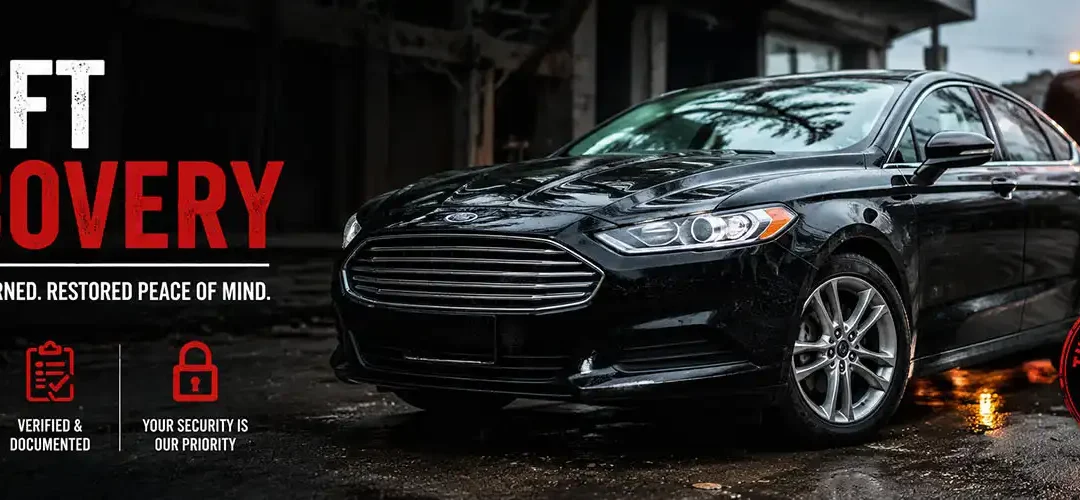
Recovering Your Vehicle Is Only the First Step
Having a stolen vehicle recovered can bring a sense of relief, but for many owners, the ordeal is not over. It is common for recovered vehicles to contain drug paraphernalia, biohazards, blood, bodily fluids, or other contaminants left behind by the individuals who occupied the vehicle after it was stolen.
If you are fortunate enough to get your vehicle back in one piece, the next challenge is determining whether it is safe to enter and what steps are necessary to restore it. Before cleaning the vehicle—or even getting inside—it is important to determine whether drugs or other hazardous substances are present.
Test the Vehicle Before Cleaning It
One of the most important steps after a theft recovery is drug testing the vehicle. Stolen vehicles are sometimes used as temporary shelters or locations for drug use, which can leave behind hazardous residues and paraphernalia such as needles, foil, pipes, and drug packaging materials.
The most thorough option is to hire a company that utilizes a MX908 drug detection system. This technology is capable of detecting and identifying a variety of controlled substances, providing a more comprehensive assessment of contamination within the vehicle.
Knowing which drug, if any, is present can significantly impact the cleanup process. Different contaminants require different cleaning methods and safety protocols. While swab testing may identify contamination in specific locations, it can be limited in scope and may not provide a complete picture of the vehicle’s condition. A more comprehensive testing approach can help prevent costly issues later and ensure the vehicle is cleaned appropriately.
To Clean or Total the Vehicle?
Once an insured vehicle has been recovered, the insurance adjuster will typically evaluate the extent of the contamination and obtain estimates for biohazard remediation and restoration.
The insurance company will compare the cost of cleaning, decontamination, repairs, and replacement of affected materials against the vehicle’s value. If the cost of returning the vehicle to a safe condition exceeds certain thresholds, the insurance company may determine that the vehicle should be declared a total loss rather than repaired.
This evaluation becomes especially important when drug contamination has affected soft, porous materials throughout the vehicle or when extensive dismantling is required to access contaminated areas.
Not All Theft Recovery Vehicles Have Drug Contamination
While drug use is a common concern, not every recovered vehicle has been used for that purpose.
Some vehicles are simply recovered in a dirty condition and require only detailed cleaning. Others may contain biohazards such as blood. It is not uncommon for a thief to cut themselves while breaking into a vehicle or operating it, resulting in blood contamination on interior surfaces.
Blood can often be professionally removed from hard, non-porous surfaces. However, soft, porous materials such as cloth seats, carpeting, seat belts, headliners, and padding frequently cannot be fully decontaminated. In these situations, the affected materials may need to be removed and replaced.
As with drug contamination, the insurance carrier will evaluate whether the cost of cleanup and replacement is justified based on the vehicle’s overall value. For older vehicles or those with extensive contamination, totaling the vehicle may be the most practical outcome.
Restoring More Than Just the Vehicle
A vehicle theft can leave owners feeling frustrated, violated, and unsettled. Even after the vehicle has been recovered, many people find it difficult to feel comfortable using it again if they know strangers have occupied it.
Whether drug contamination, blood, or other biohazards are discovered, a professional biohazard cleaning can help restore both the vehicle and the owner’s peace of mind. Thorough testing, decontamination, and remediation can provide confidence that the vehicle is safe to use and help bring closure to an unfortunate experience.
Professional Theft Recovery Vehicle Biohazard Cleaning
If your recovered vehicle may contain drug residue, blood, needles, or other biohazards, it is important to have it evaluated by professionals experienced in vehicle biohazard remediation. Proper testing and cleaning can help determine whether the vehicle can be safely restored or whether replacement is the better option.
A thorough assessment is often the first step toward getting back on the road safely.
